
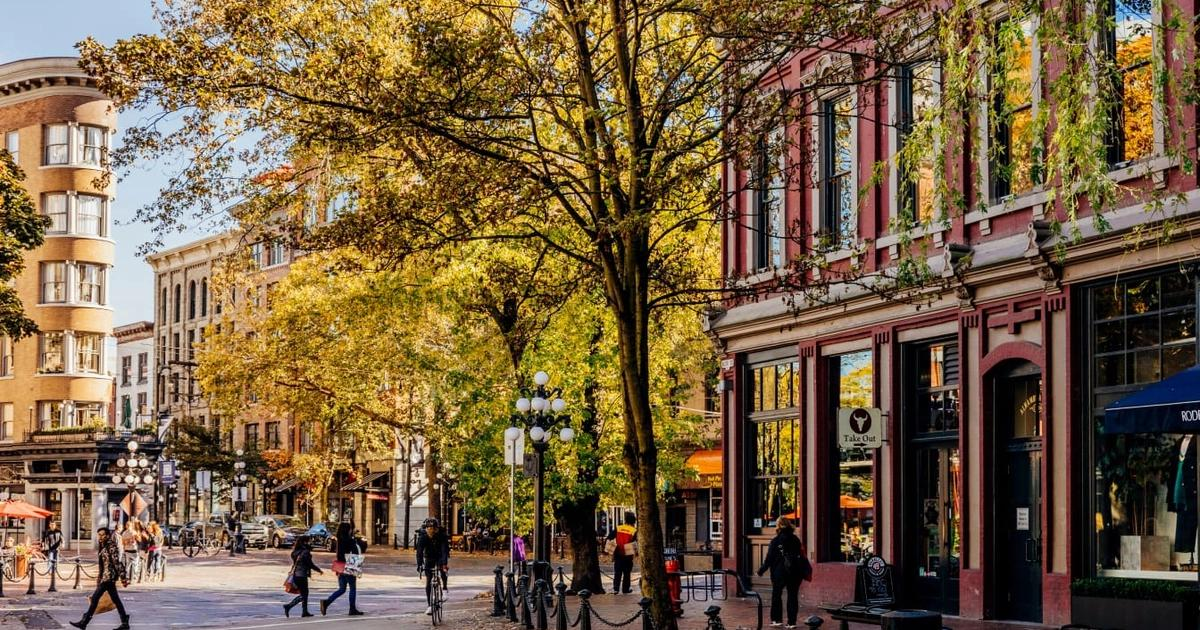
The Gastown Residents’ Association actively supports Vancouver’s freeze on new supportive housing. We believe crime and social disorder have overwhelmed their communities due to the concentration of supportive housing in specific areas. Vancouver designed this freeze to push other municipalities to contribute to the regional supportive housing needs.
Opposition comes strongly from multiple fronts. Councillor Lisa Dominato vocally criticizes the decision. BC Housing Minister Ravi Kahlon warns that halting new projects will exacerbate homelessness. They point directly to the region’s growing unhoused population, emphasizing the urgent need for more supportive housing options, not fewer.
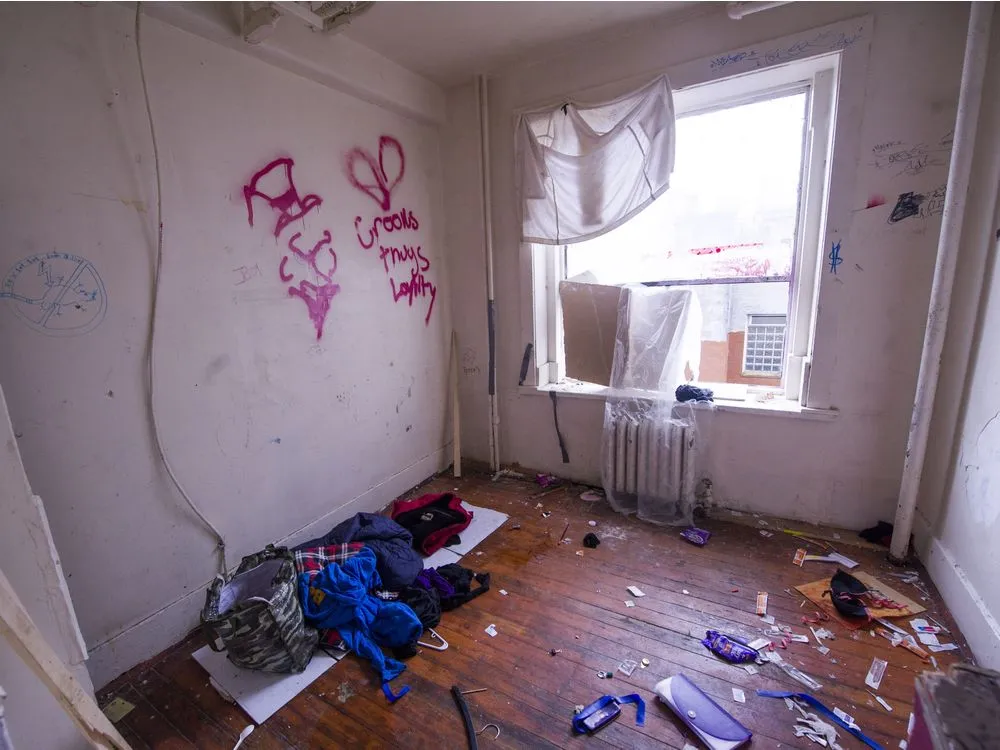
However, they fail to admit that the current SROs in Vancouver face a troubling reality: they’re largely controlled by slumlords or gang networks who have no genuine interest in supporting vulnerable residents. Instead of helping those in need, these operators exploit the homeless population in the Downtown Eastside for profit. This represents the strongest argument against building additional SROs. Most existing buildings offer unsafe, unsanitary, and deeply inadequate living conditions that often worsen residents’ situations rather than providing the stable foundation they need. Converting resources toward better housing models would address these fundamental problems rather than replicating a broken system.
Longterm Benefits for the City of Vancouver
Despite seeming counterintuitive during a housing crisis, limiting net new SROs (Single Room Occupancy units) in the Downtown Eastside (DTES) could yield positive outcomes when paired with comprehensive strategies. This approach acknowledges how concentrating vulnerable populations in the small DTES area has created significant problems.
De-concentration serves everyone better. Overcrowding has severely strained DTES resources and services, making effective support nearly impossible. Vancouver could alleviate this pressure by distributing supportive housing more evenly across the region, allowing service providers to offer more tailored support to residents.
Community revitalization becomes possible. The DTES struggles with entrenched social issues daily. By limiting further SRO concentration, Vancouver opens opportunities to diversify the area with mixed housing types, businesses, and community amenities. This diversity fosters a more balanced and vibrant neighborhood for all residents.
Breaking the cycle requires new approaches. Building more SROs in the DTES perpetuates cycles of poverty, addiction, and marginalization. Vancouver must invest in alternative housing models and comprehensive support services to break these destructive patterns and offer residents pathways to greater independence.
Modern housing improves lives dramatically. Rather than adding more inadequate SROs, Vancouver should focus on replacing existing units with modern, well-maintained supportive housing. These improvements would offer residents greater privacy, enhanced security, and better access to essential services they desperately need.
Vancouver’s supportive housing freeze presents real risks alongside significant opportunities. Thoughtful implementation within a broader housing strategy could transform the city’s approach to homelessness and vulnerable populations. However, failure to address underlying issues while ensuring adequate alternatives will inevitably lead to worsening outcomes for those most in need.
Read the original article here: Vancouver Housing Freeze Draws Support and Backlash